How to keep house plants healthy
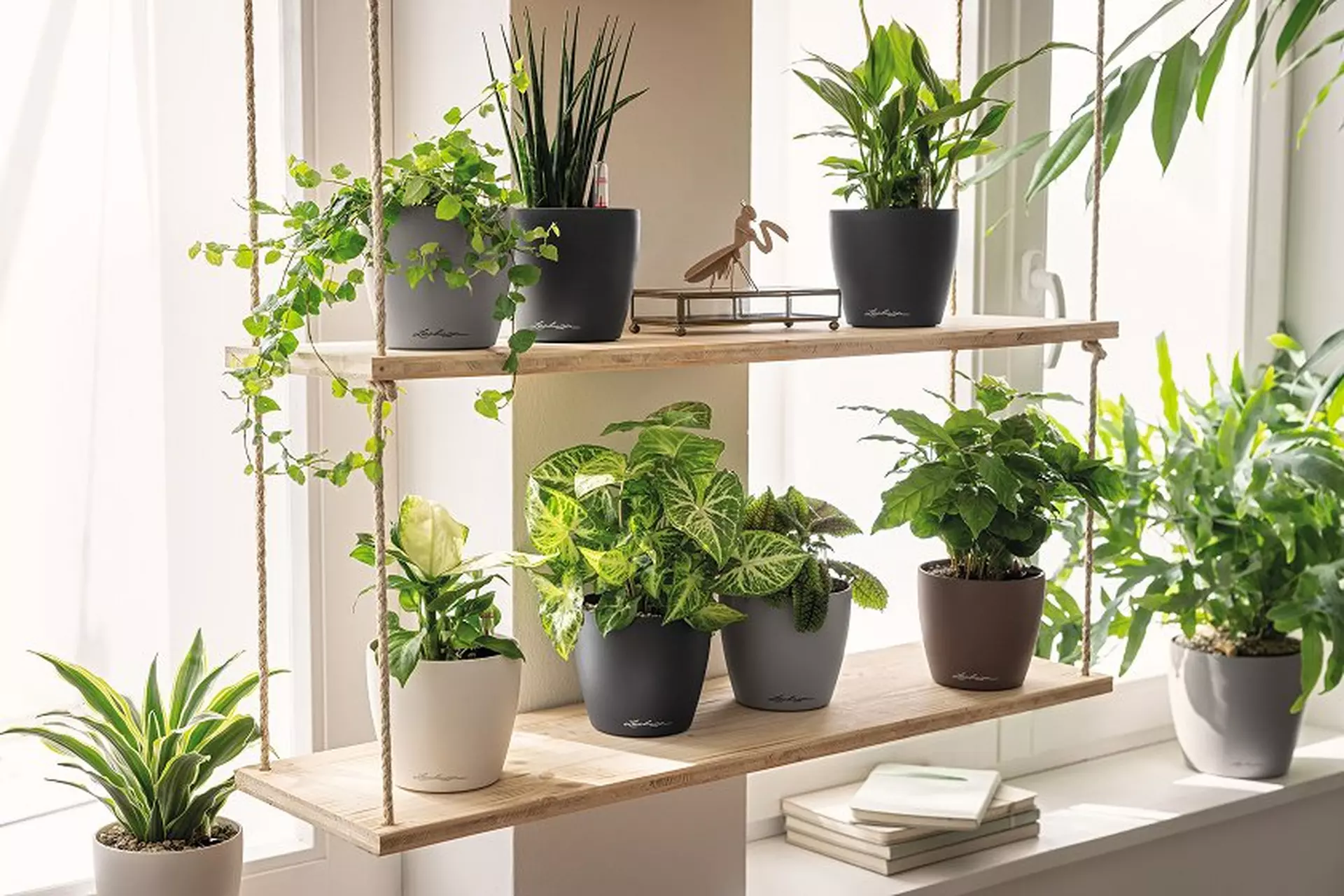
Indoor plants are essential for creating a stylish and cozy home, because one thing is certain: greenery makes you happy! Whether you prefer timeless classics like the Peace Lily and Pothos or trendy favorites like the Monstera and Snake Plant—beautiful, healthy plants will bring long-lasting joy to your own four walls.
For optimal results, LECHUZA plant expert Anita Dittmeier has put together four valuable tips. “When it comes to caring for indoor plants, the right location and consistent watering are crucial,” explains Anita Dittmeier. A simple keyword helps keep it all in mind: GROW – it stands for (proper) Glassing/Watering, (right) Room/Location, (timely) Over-potting/Repotting, and (nutritious) Well-fed/Fertilizing.
1. Correct watering
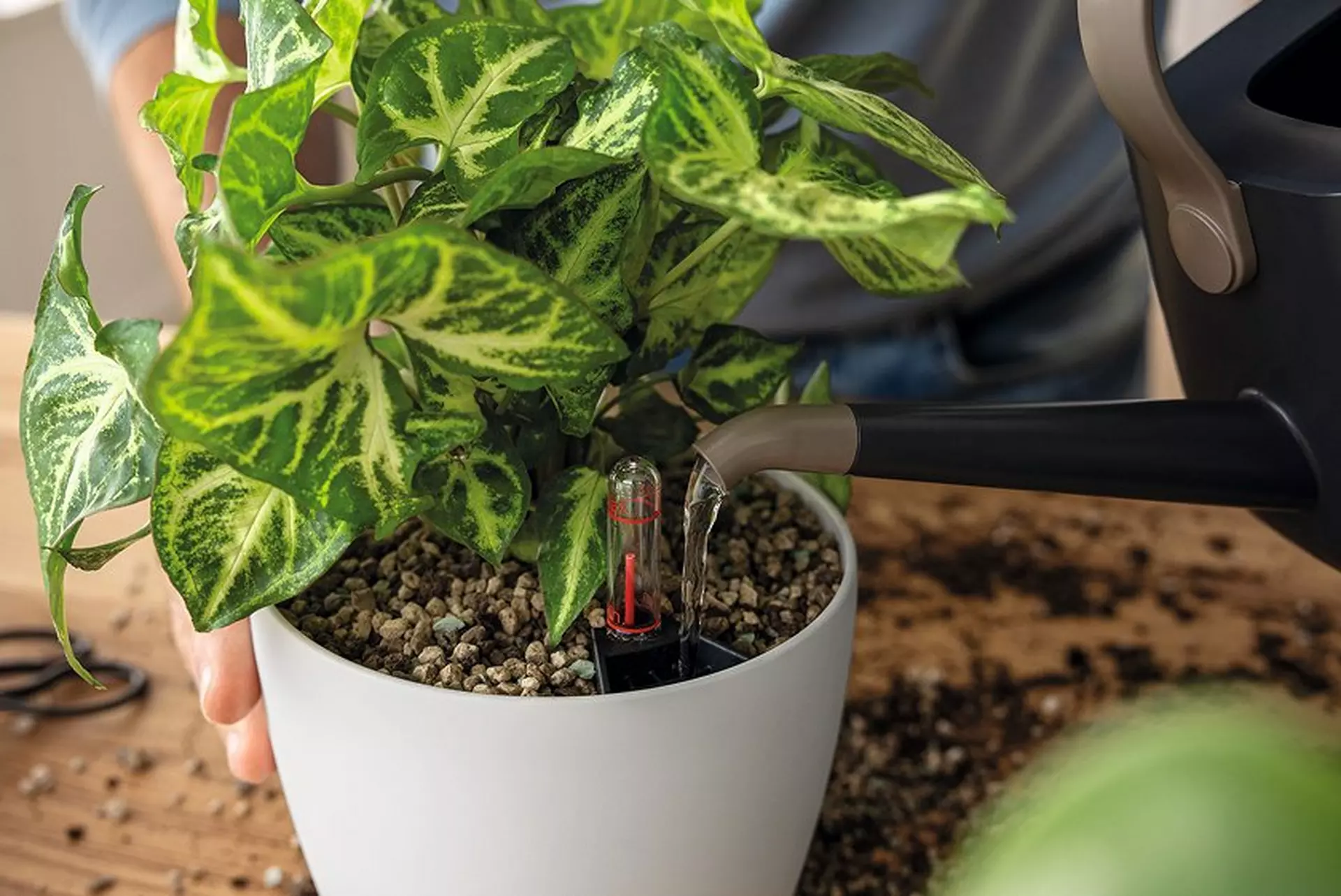
One of the most common problems in houseplant care is overwatering. Anita Dittmeier explains: “If roots sit in water for a long period, it leads to waterlogging, which can cause root rot.” It is therefore important to allow for dry phases between watering intervals.
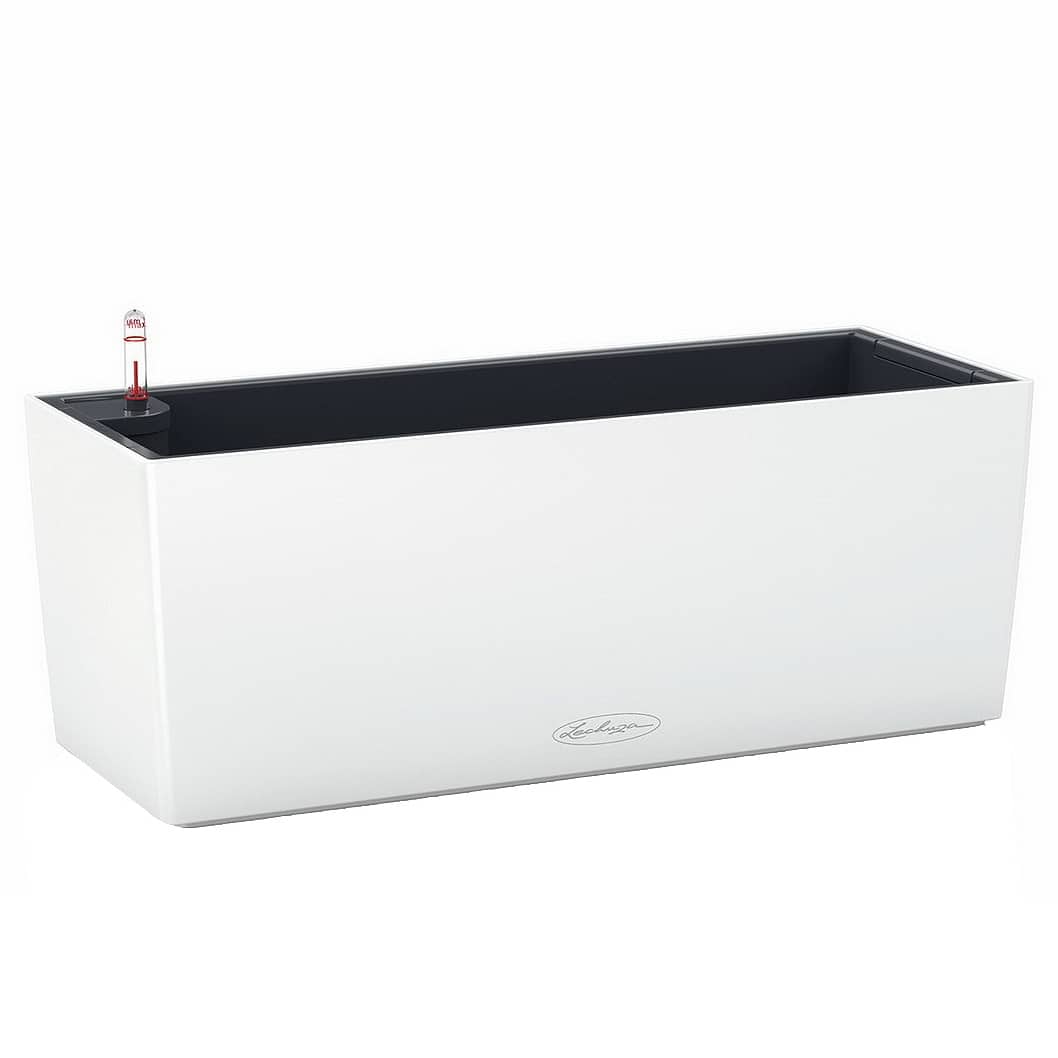
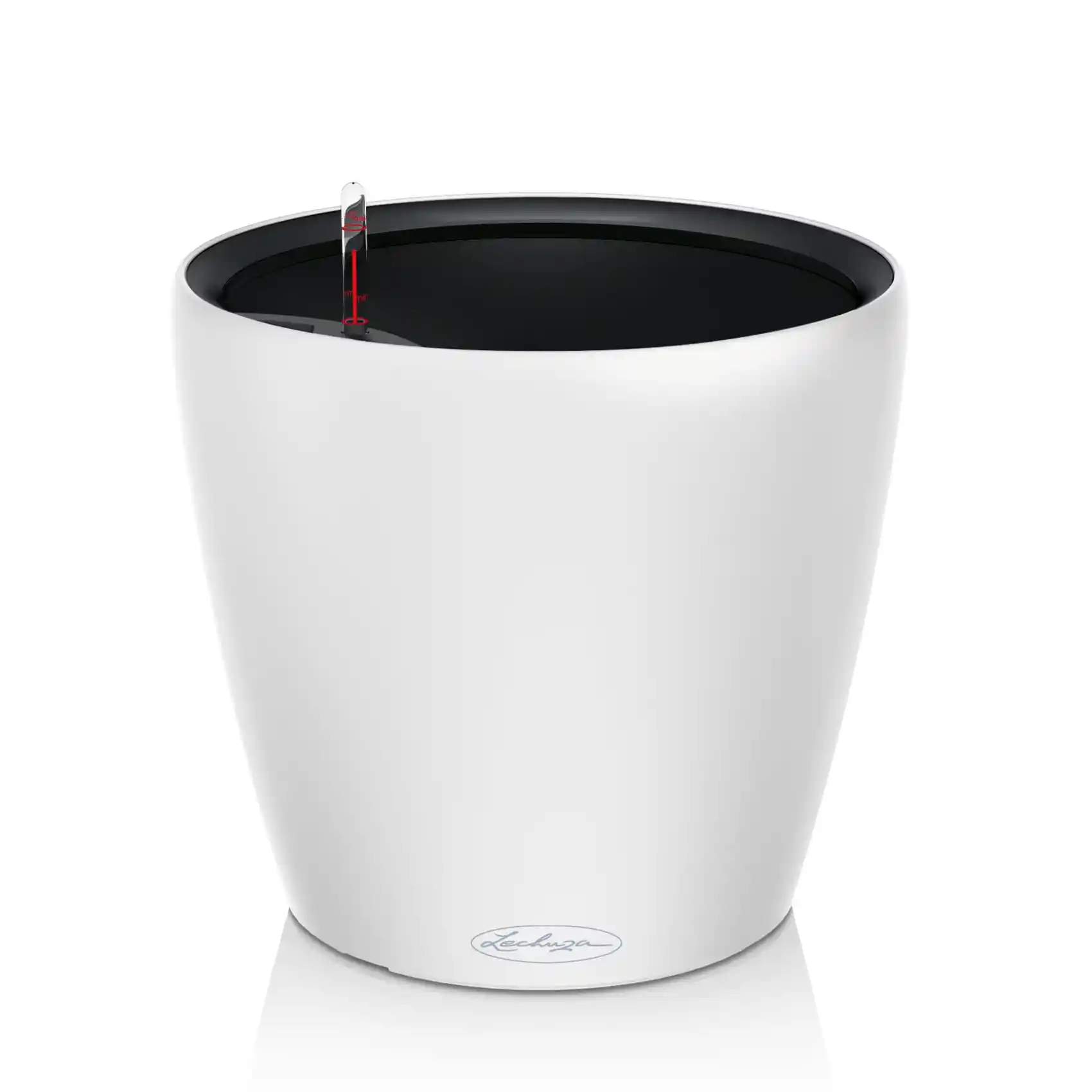
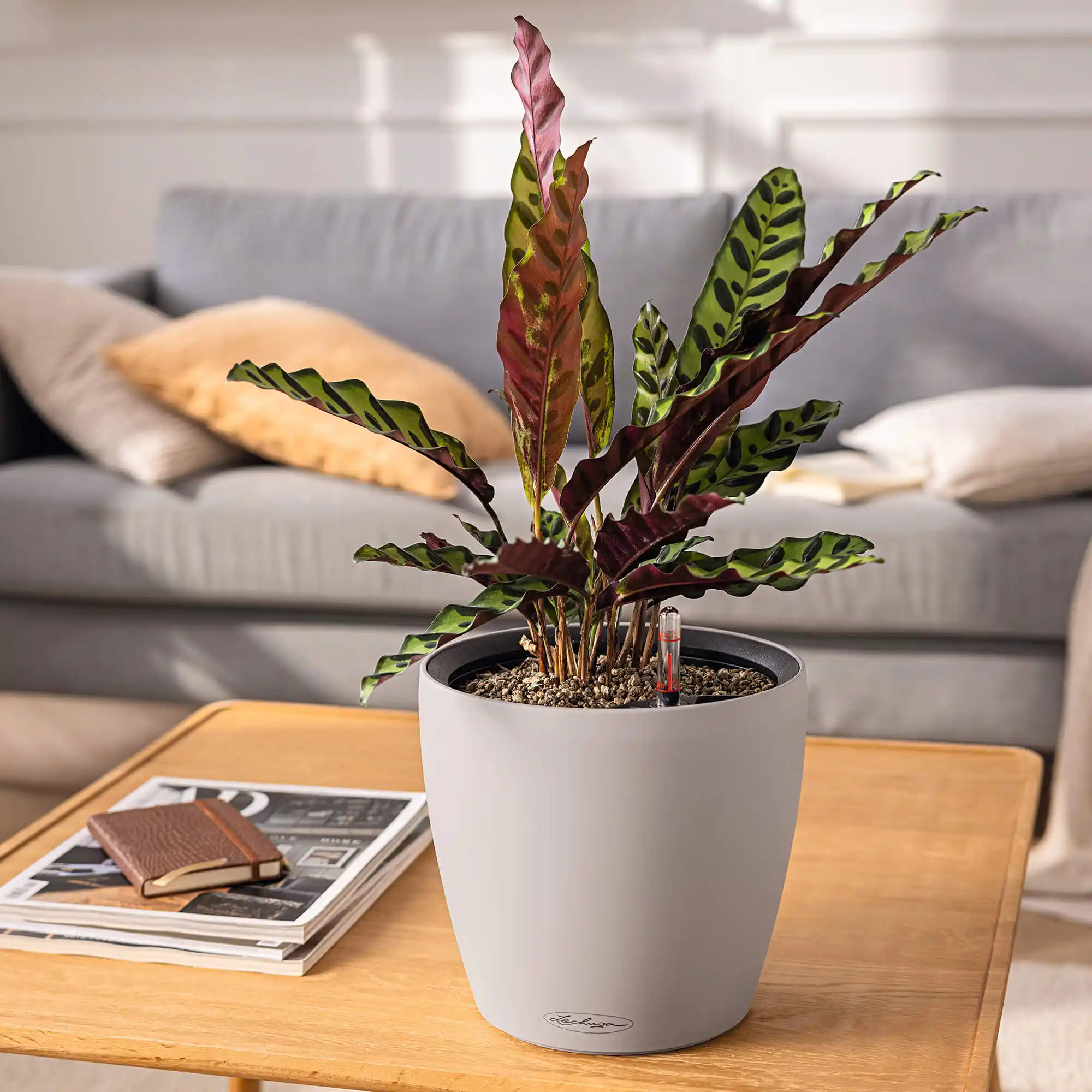
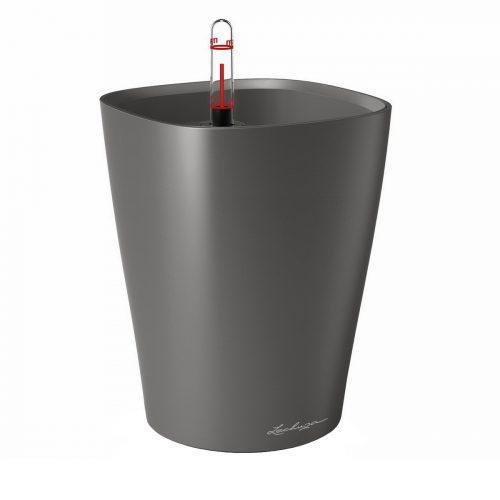
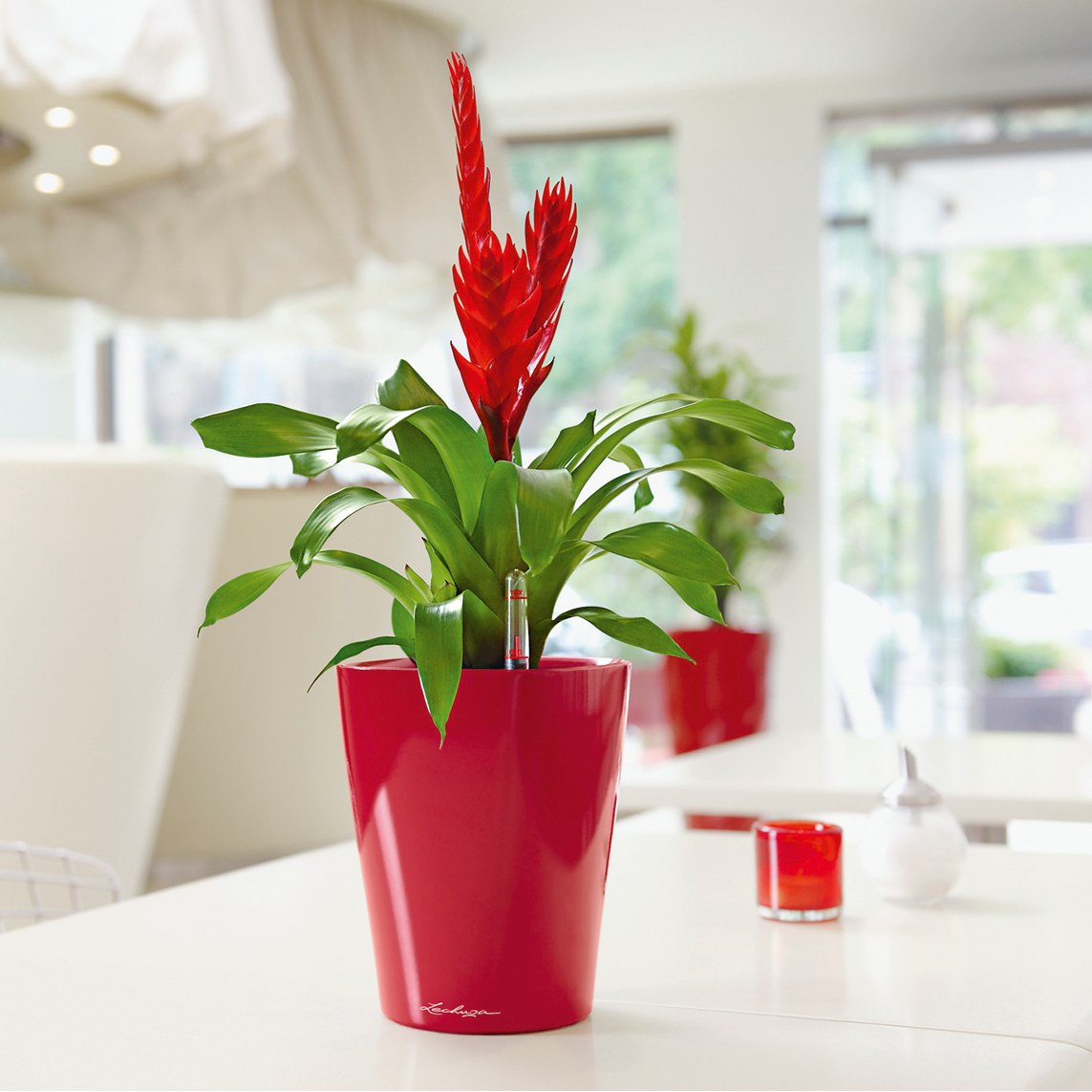
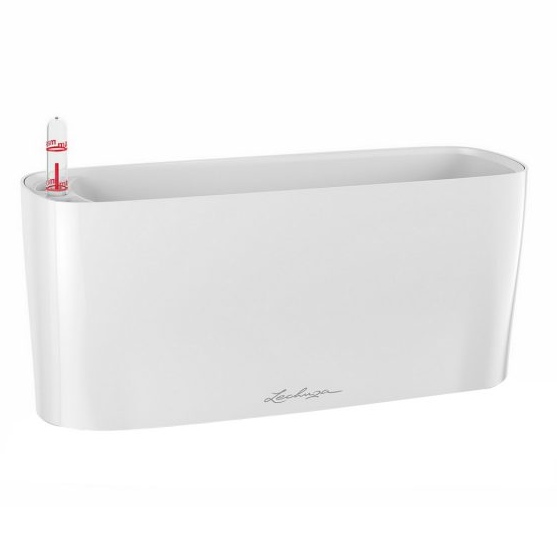
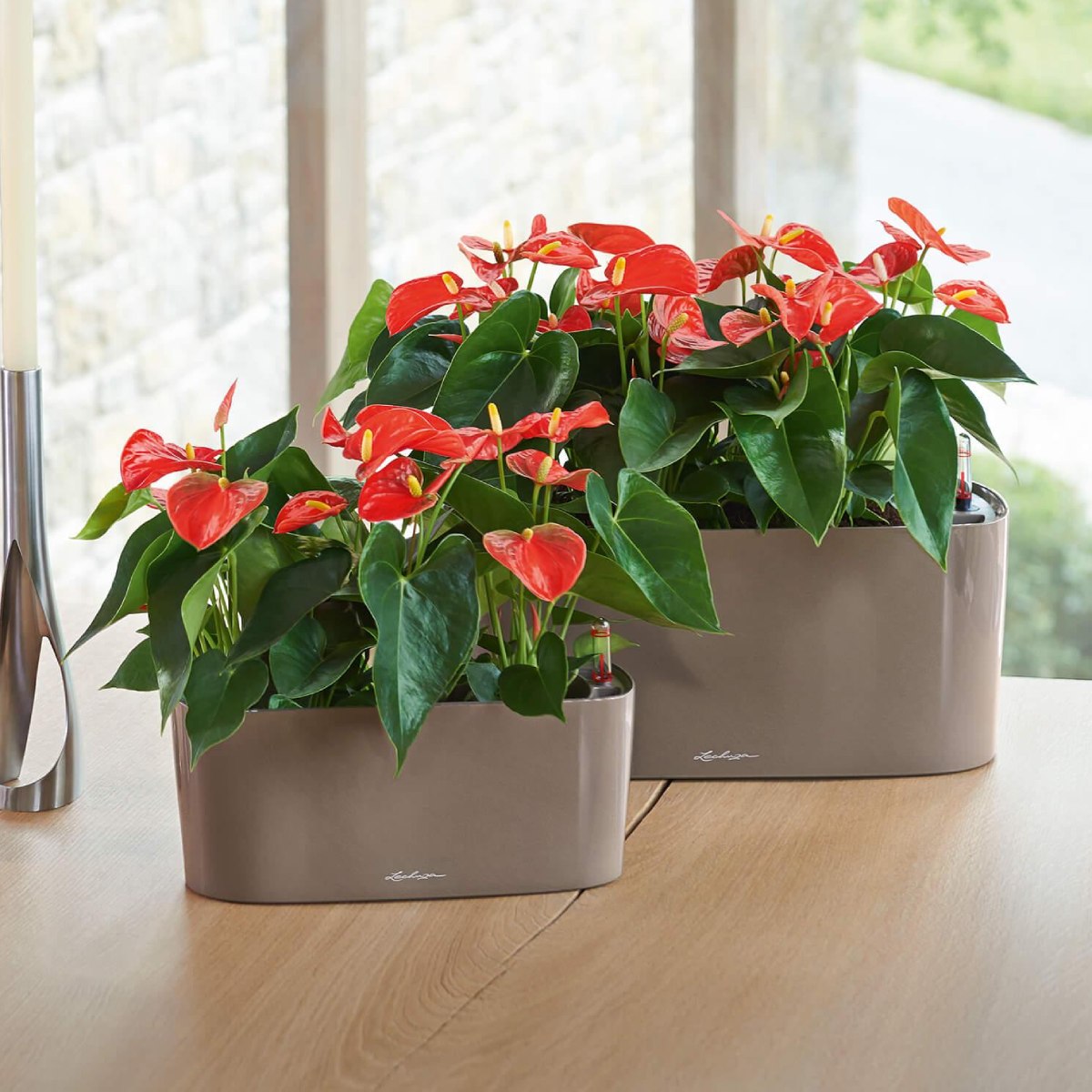
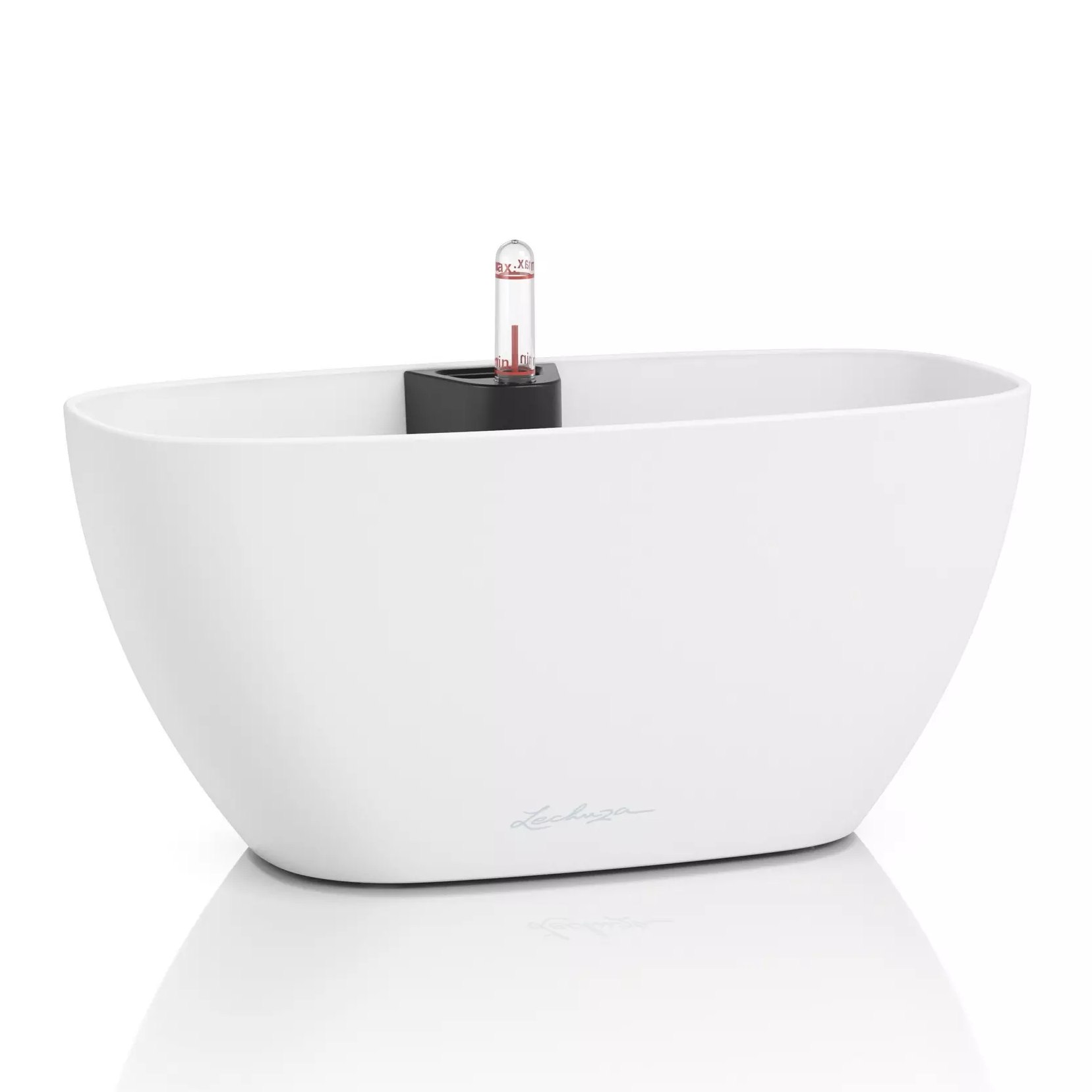
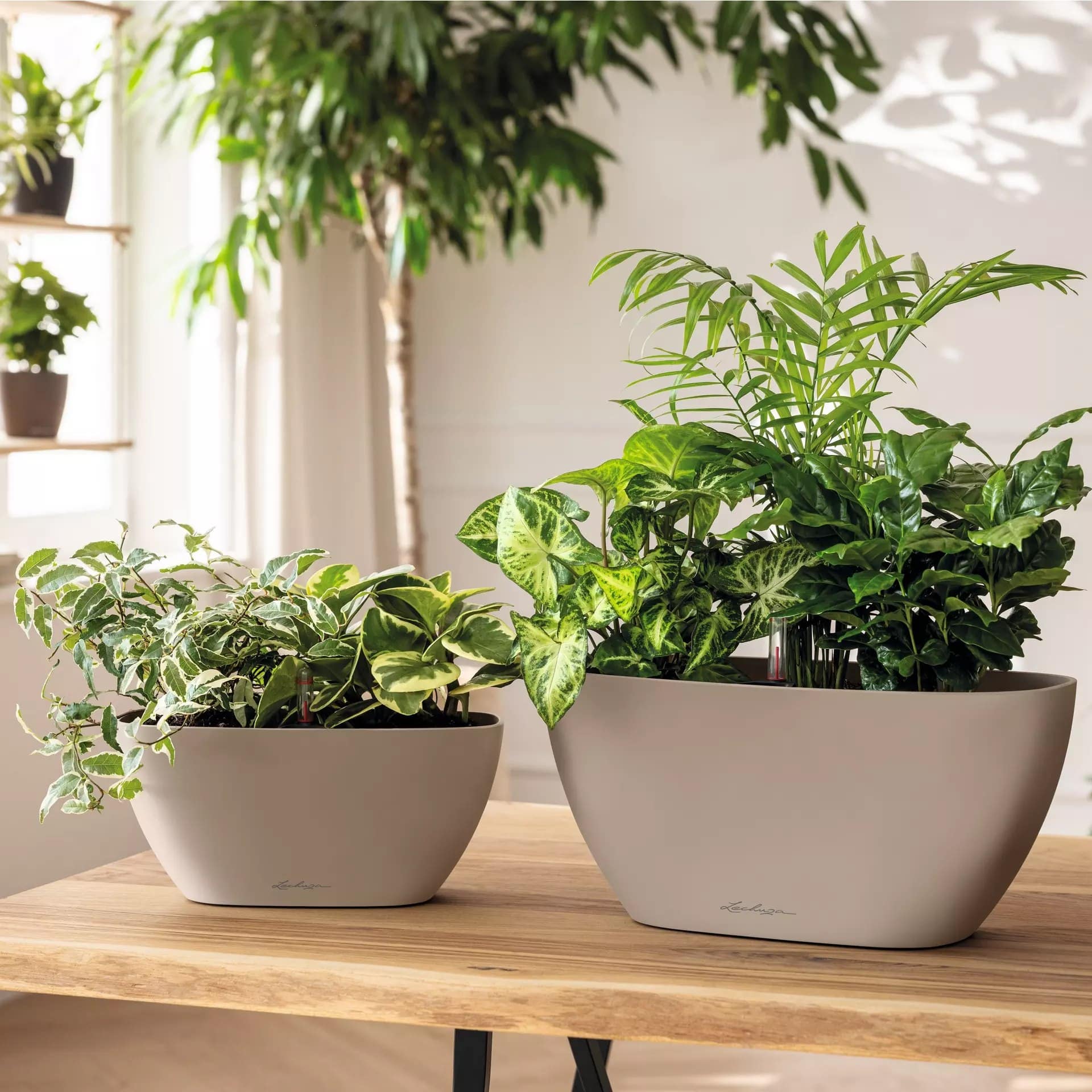
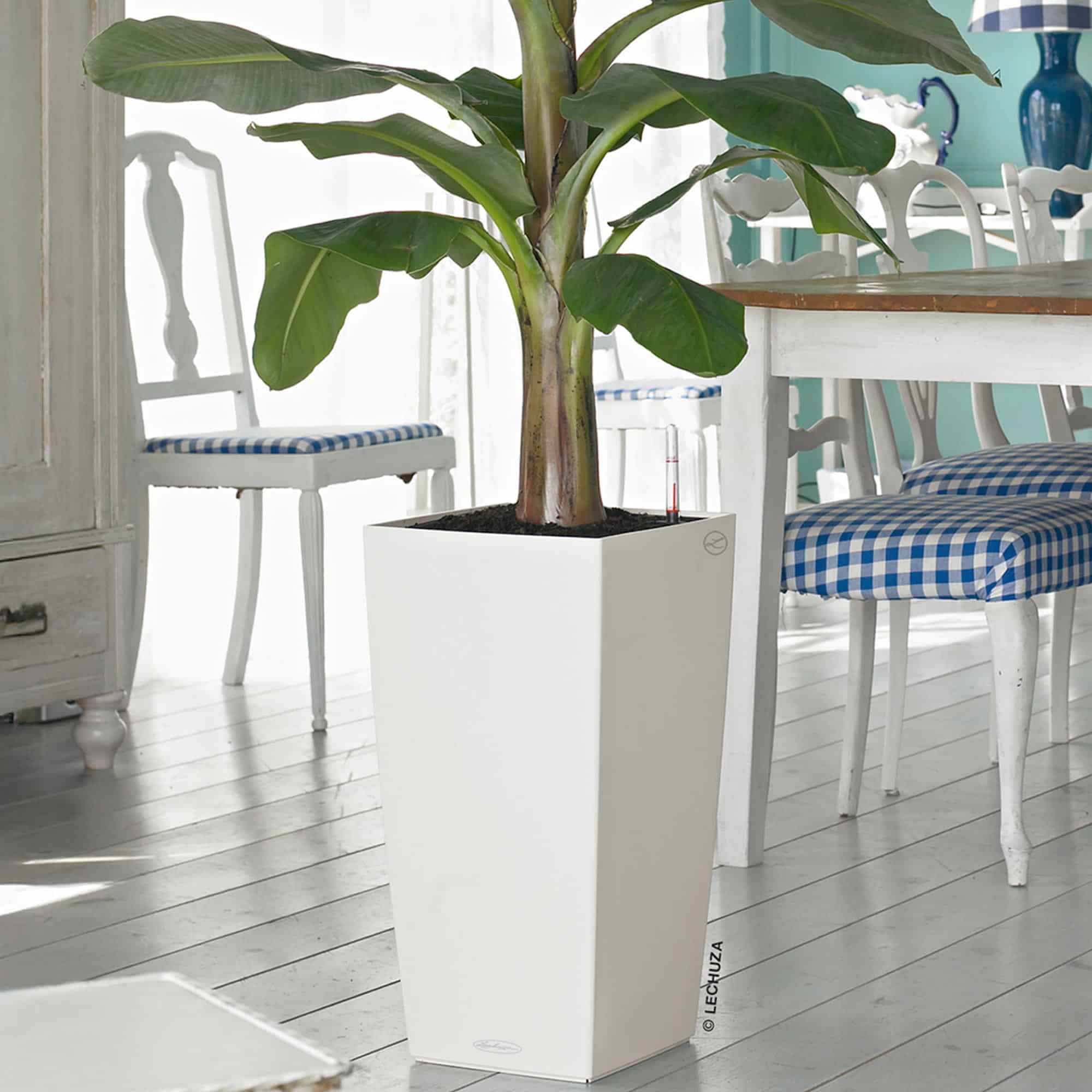
Planters equipped with water level indicators help you keep track of the amount of water in the integrated reservoir and ensure that the roots receive a consistent supply of moisture. This effectively prevents harmful waterlogging.
2. Location – finding the perfect spot
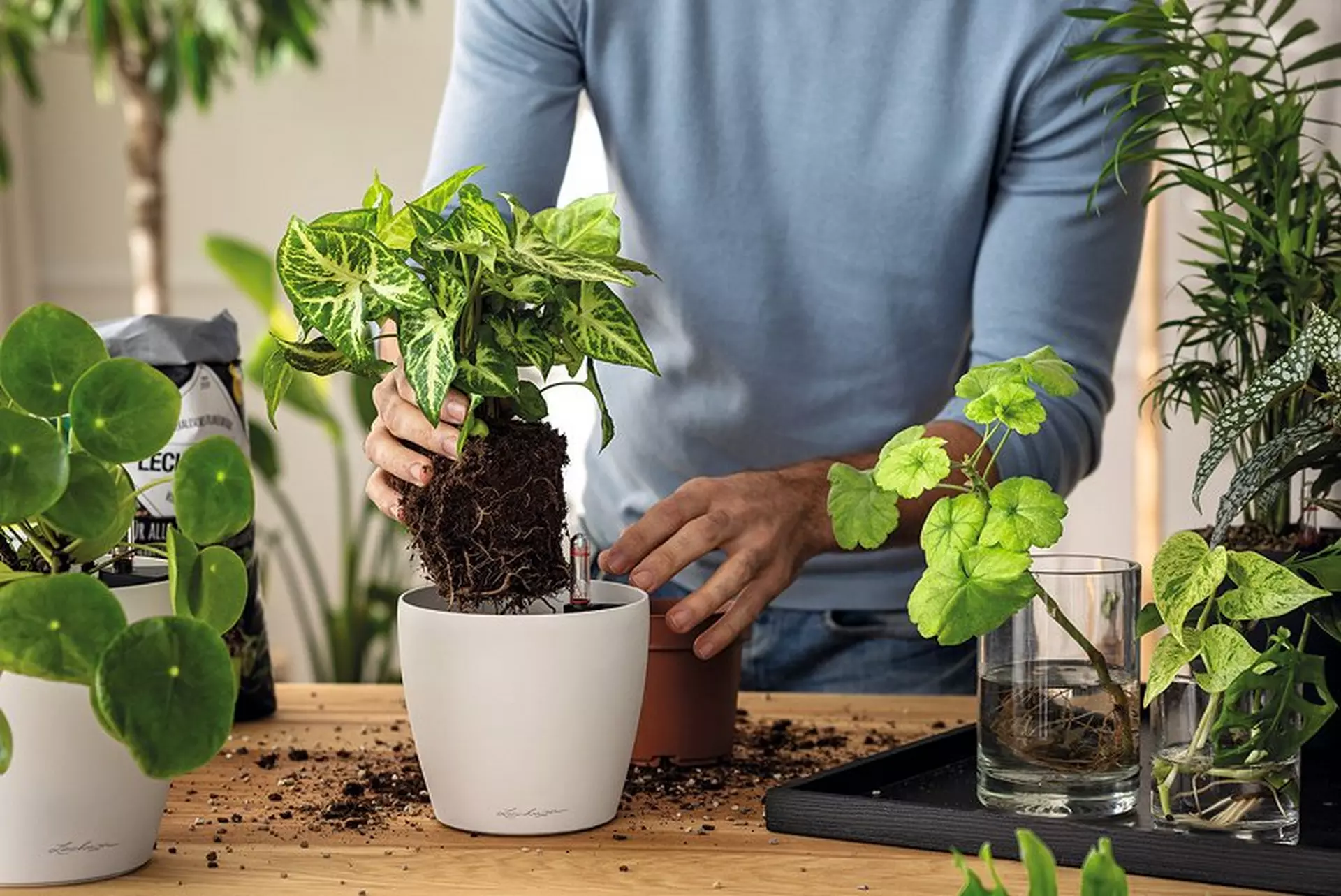
The right location is crucial for the care of indoor plants. Many foliage plants prefer bright light and thrive on a windowsill.
A spot near a window also typically offers ideal light conditions. However, drafts and extreme temperature fluctuations should be avoided. Be sure to check the specific needs of your plants online beforehand to choose the most suitable location.
3. Repotting on a regular basis
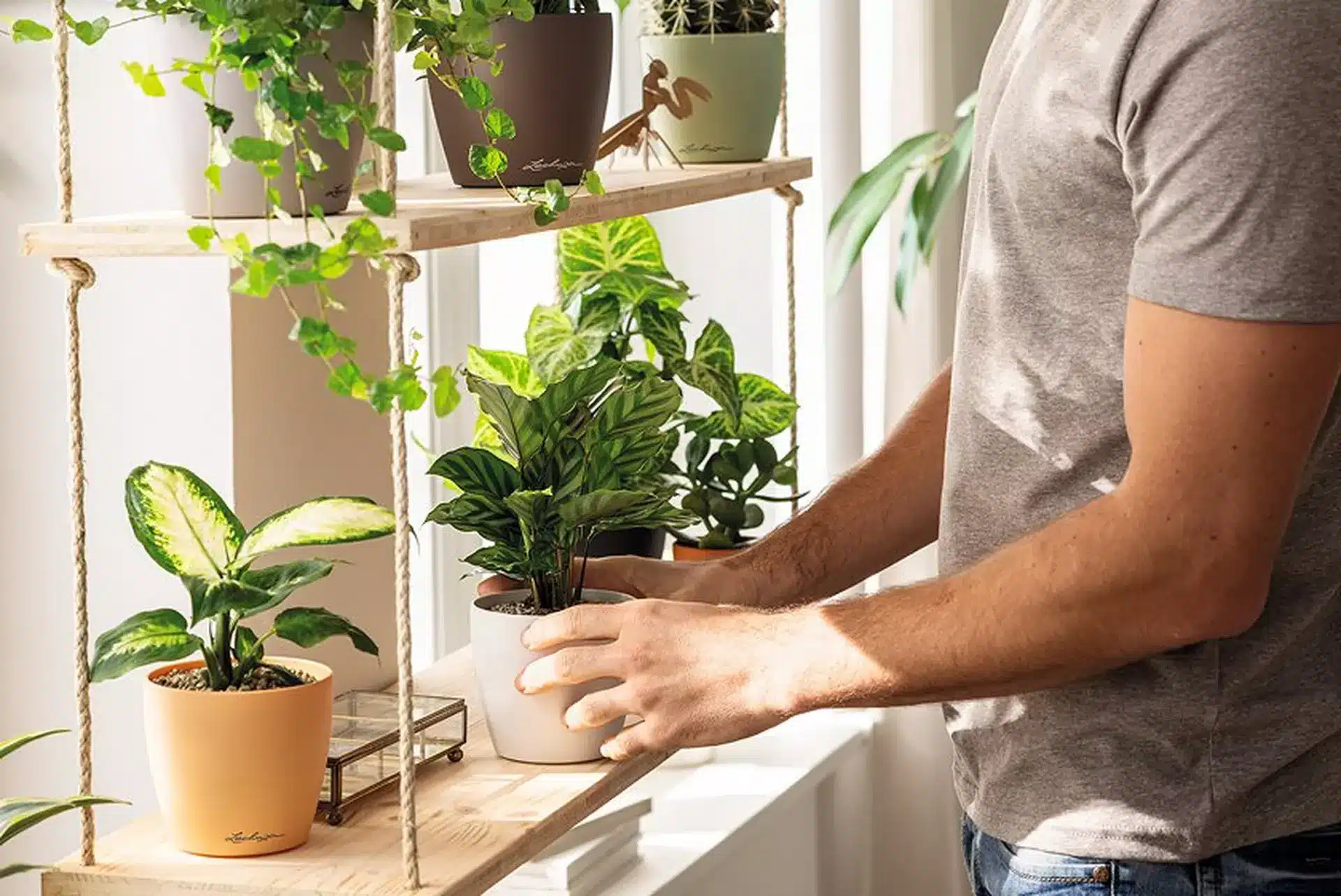
To promote the growth of indoor plants, they should be repotted every two to three years. “The best time for this is after the winter dormancy, when temperatures rise and the hours of sunshine increase,” recommends Anita Dittmeier.
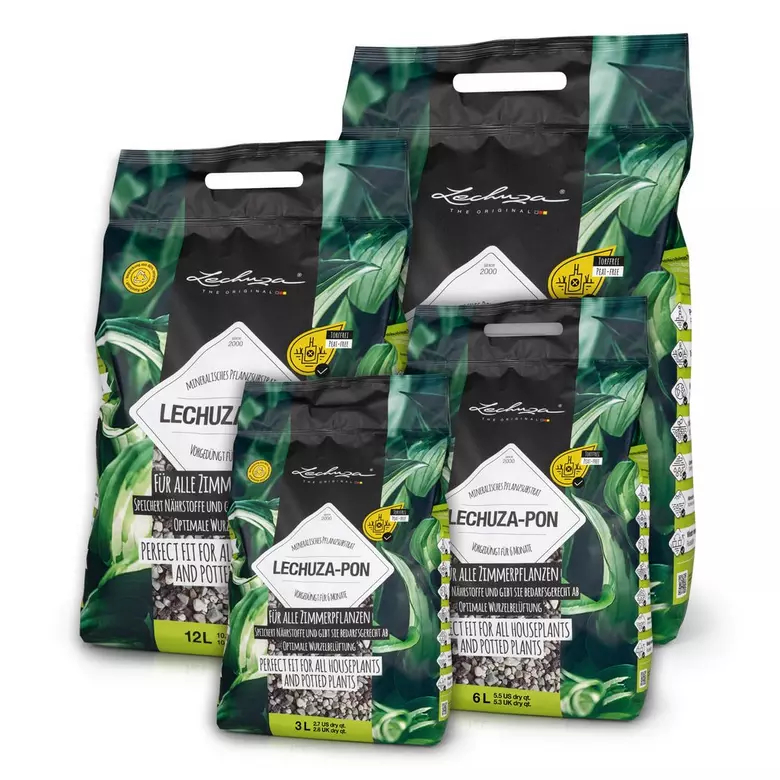
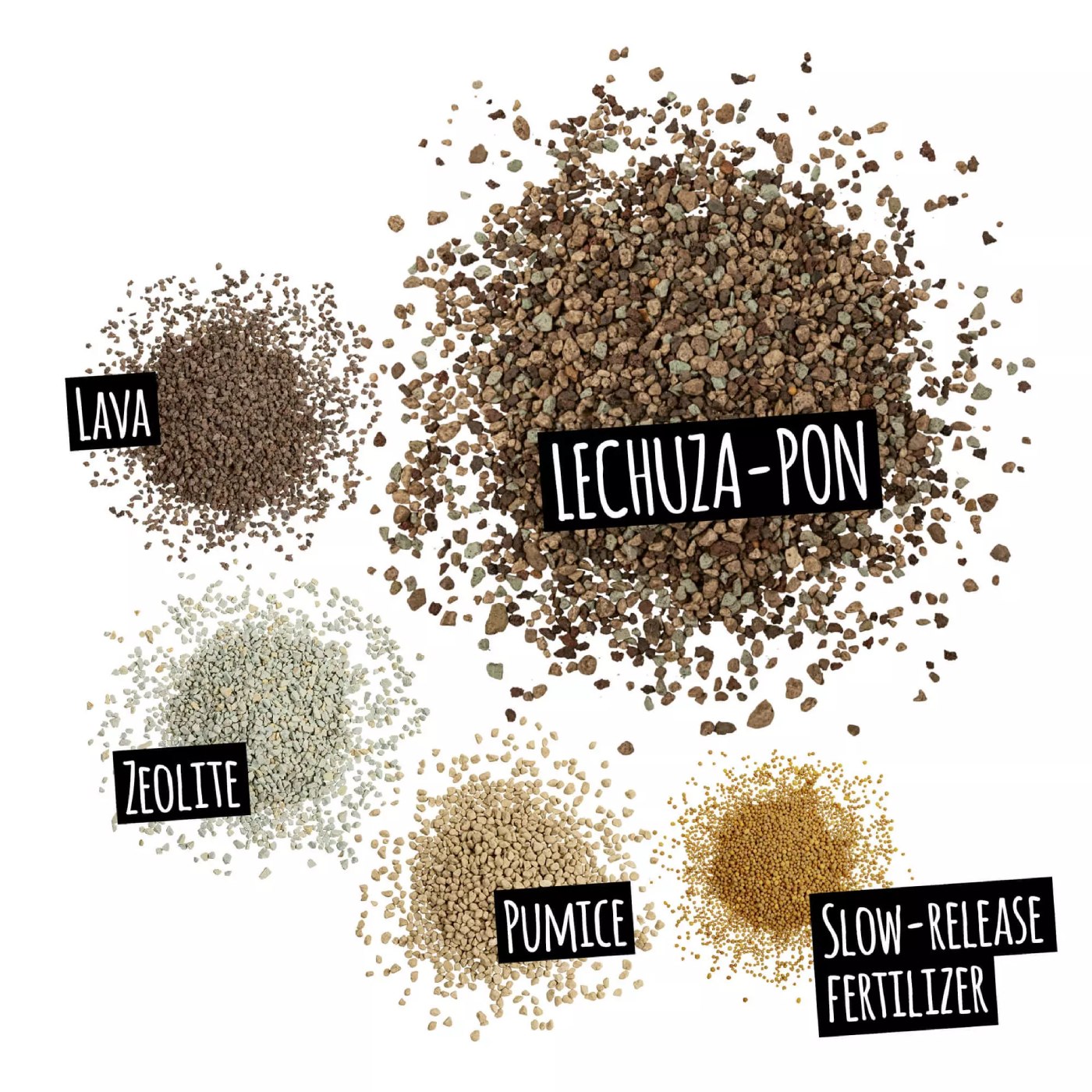
Mineral plant substrates such as LECHUZA-PON or BASICPON are excellent alternatives to conventional potting soil. These mineral substrates are structurally stable and do not compact like regular soil. Furthermore, they provide no breeding ground for pests, such as fungus gnats. Due to their composition of pumice, lava, and zeolite, they are particularly suitable for allergy sufferers.
4. Feeding – providing essential nutrients
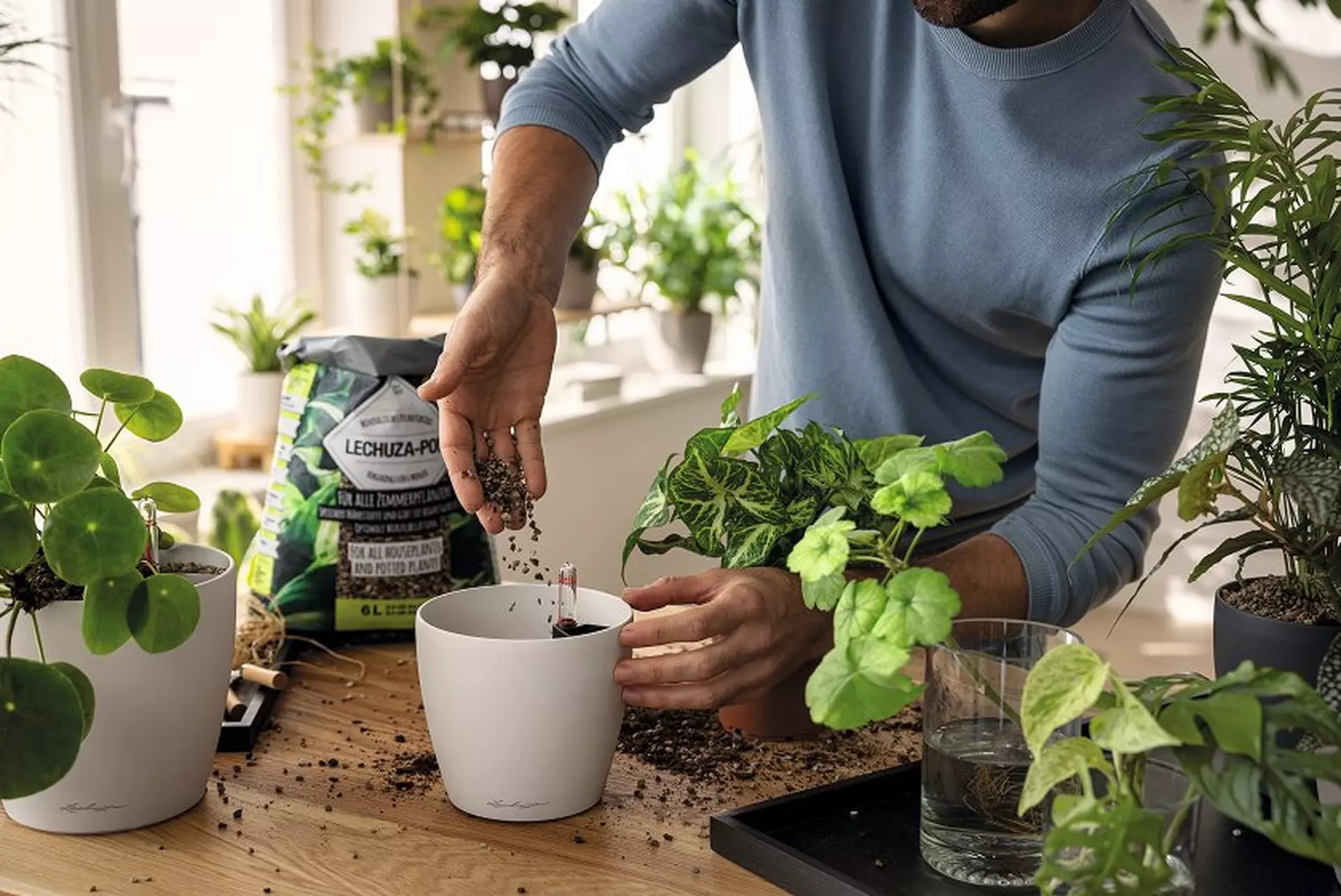
Since plants deplete the nutrients in the substrate over time, regular fertilizing is essential. High-quality long-term and liquid fertilizers, such as PERFECT LEAF, are perfectly tailored to the needs of a wide variety of plant species.
Even if you don’t have a green thumb, these simple tips make it easy to create a low-maintenance indoor plant paradise that improves the indoor climate and boosts your mood. “What’s more, your plants will thrive for a long time and stay completely healthy,” says Anita Dittmeier.